
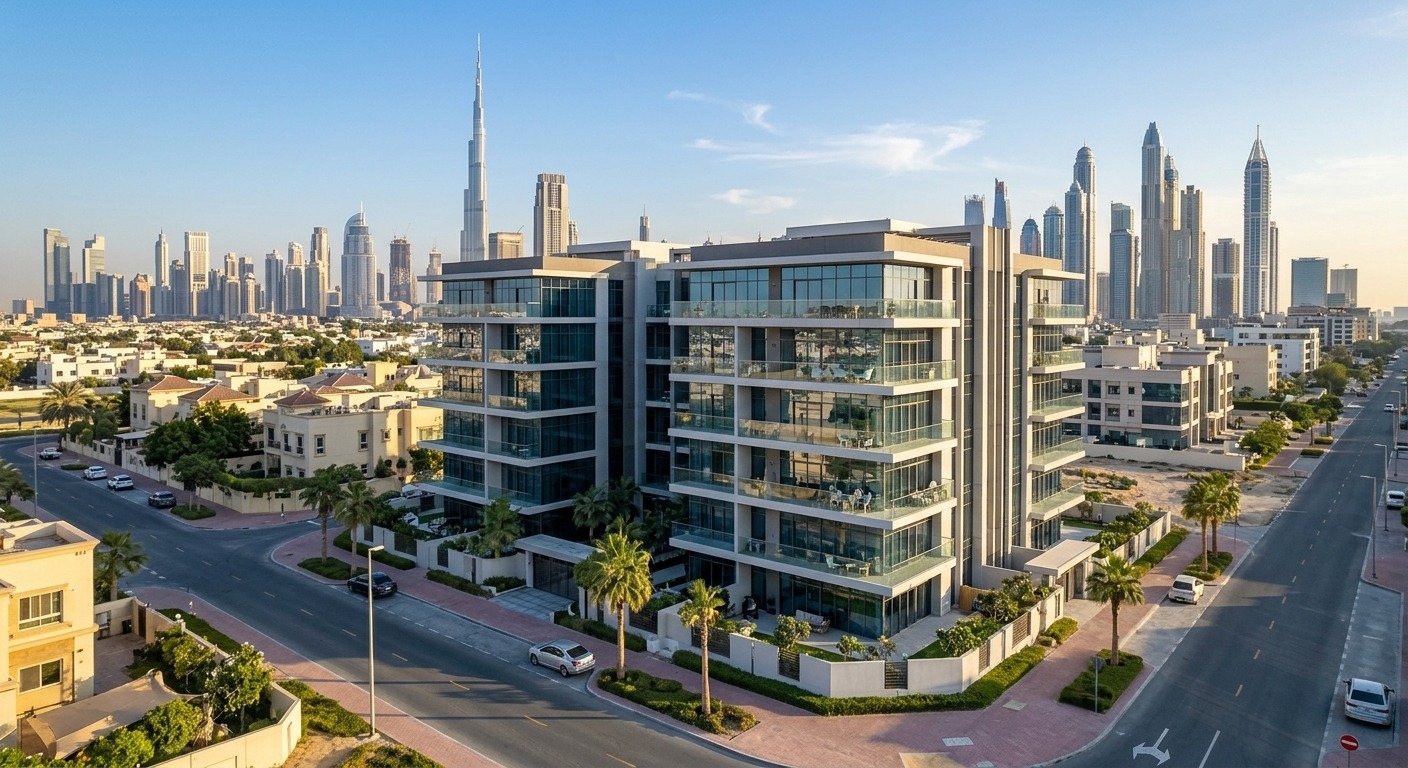
Finding and renting an apartment in Dubai can be exciting, but the process involves more than choosing a property and paying the rent. New residents need to understand rental prices, property viewings, tenancy contracts, security deposits, real estate agent fees, Ejari registration and utility connections.
This guide explains how to rent an apartment in Dubai step by step, what documents you may need, which costs to budget for and how to avoid common rental mistakes.
Whether you are moving to Dubai for a new job, relocating with your family or looking for your first apartment in the UAE, this guide will help you prepare.
1. Understand the Dubai Rental Market
Dubai offers different types of accommodation, including studios, one-bedroom apartments, family apartments, shared accommodation and luxury residences.
Rental prices vary depending on several factors:
• Location and distance from the city centre
• Apartment size and number of bedrooms
• Building age and condition
• Access to public transport
• Parking availability
• Swimming pools, gyms and other facilities
• Furnished or unfurnished condition
Popular residential areas include:
• Deira: An established area with shops, restaurants and access to public transport.
• Bur Dubai: Popular with residents who want access to older commercial districts and metro connections.
• International City: An option worth comparing for people looking for more budget-conscious accommodation.
• Al Nahda: A residential area near the Dubai–Sharjah border.
• Dubai Silicon Oasis: Offers residential buildings, shops and access to business areas.
• Jumeirah Village Circle (JVC): A residential community with apartments, townhouses and local facilities.
• Dubai Marina: Known for waterfront apartments, restaurants and leisure facilities.
• Business Bay: A central area with residential towers and access to commercial districts.
Do not choose an apartment based only on its advertised rent. Compare the total cost of living in the area, including transport, utilities and commuting time.
2. Decide What Type of Apartment You Need
Before contacting agents, decide what kind of accommodation suits your circumstances.
Studio Apartment
A studio generally combines the living and sleeping areas into one main room, with a separate bathroom and kitchen area or kitchenette.
It may suit:
• Single professionals
• People living alone
• Residents who spend most of their time outside the home
• People looking to manage their housing budget
One-Bedroom Apartment
A one-bedroom apartment normally has a separate bedroom and living area. It can be suitable for an individual or a couple who want more privacy and space.
Two-Bedroom Apartment
A two-bedroom apartment may suit couples with children, small families or people who need an additional room for work or guests.
Shared Accommodation
Some residents consider sharing accommodation to reduce housing expenses. Before agreeing to share, check the building rules, occupancy conditions, landlord's permission and applicable regulations. Do not assume that every shared arrangement is permitted.
3. Where to Search for Apartments in Dubai
You can search for available rental properties through established property portals and licensed real estate agencies.
Some commonly used platforms include:
• Property Finder: https://www.propertyfinder.ae/
• Bayut: https://www.bayut.com/
• dubizzle: https://dubai.dubizzle.com/
• Dubai Land Department: https://dubailand.gov.ae/
Use filters to compare:
• Annual rental price
• Number of bedrooms
• Furnished or unfurnished status
• Location
• Building facilities
• Parking
• Public transport access
• Property availability
Save several suitable listings and compare them before arranging viewings.
Important: An online advertisement does not guarantee that an apartment is still available. Confirm availability, the landlord's authority to rent the property and the full payment requirements before transferring money.
4. Arrange a Property Viewing
Never rely only on photographs or videos when renting an apartment if you can inspect it in person.
During a viewing, check the following:
Apartment Condition
• Walls, ceilings and paintwork
• Doors, windows and locks
• Water pressure and drainage
• Air conditioning and cooling
• Electrical switches and sockets
• Kitchen cabinets and appliances
• Bathroom fittings
• Signs of leakage, dampness or mould
Building Facilities
• Lift condition
• Parking arrangements
• Security and access control
• Swimming pool and gym, if advertised
• Waste disposal facilities
• Maintenance arrangements
Location
• Distance to your workplace
• Nearby supermarkets and pharmacies
• Bus stops and metro stations
• Traffic conditions during working hours
• Nearby schools, if you have children
Take photographs or videos of existing damage before moving in. Ask the landlord or property manager to record important defects in writing.
5. Documents You May Need to Rent an Apartment
The exact documents depend on the landlord, property manager and registration process.
Commonly requested documents include:
• Emirates ID
• Passport copy
• Valid UAE residence visa, where requested
• UAE contact number
• Email address
• Proof of employment or income, if requested
• Other documents requested by the property manager
If you have recently arrived in Dubai and do not yet have your Emirates ID, ask the property manager which documents they will accept. Do not assume that every landlord or building will accept the same alternatives.
The Dubai Land Department's registration requirements should also be checked before signing and submitting your tenancy documents.
6. Understand the Main Rental Costs
The advertised annual rent is not necessarily the only amount you will pay when moving into an apartment.
Prepare a budget for the following expenses.
A. Annual Rent
Dubai landlords commonly advertise residential rent on an annual basis.
For example, if the annual rent is AED 60,000:
• Annual rent: AED 60,000
• Monthly equivalent: AED 5,000
The actual payment arrangement may involve one or more instalments, depending on the agreement with the landlord.
B. Security Deposit
A security deposit is paid to protect the landlord against certain losses or damage under the tenancy agreement.
The amount and conditions should be confirmed before payment. Some landlords and property managers use a percentage of the annual rent, but you should check the actual agreement rather than assume a universal amount.
Ask for a receipt and written confirmation of:
• The amount paid
• Whether the deposit is refundable
• Conditions for deductions
• The process for receiving the deposit after moving out
C. Real Estate Agent Commission
If you rent through an agent, an agency commission may apply.
The amount should be agreed in writing before you proceed. Ask whether VAT applies and request an official receipt.
D. Ejari Registration
Ejari is Dubai's system for registering tenancy contracts.
According to the Dubai Land Department, the published online registration charges include AED 100 for registration, AED 10 knowledge fees, AED 10 innovation fees and applicable service-partner charges. The listed total through the website or Dubai REST app is AED 177.75. Fees can differ by service channel, so confirm the current amount before paying.
Official information:
https://dubailand.gov.ae/en/eservices/register-renew-ejari-contract/
E. Utility and Moving Expenses
You may also need to budget for:
• Electricity and water connection
• Housing-related charges where applicable
• Internet installation
• Moving company fees
• Furniture and household items
• Building access or move-in arrangements, if applicable
Ask the property manager which charges are included in the rent and which are your responsibility.
7. Review the Tenancy Contract Before Signing
The tenancy contract is one of the most important documents in the rental process.
Read it carefully before signing or issuing payments.
Check that it clearly states:
• Tenant and landlord details
• Property address and unit number
• Annual rental amount
• Contract start and end dates
• Payment instalments and due dates
• Security deposit
• Maintenance responsibilities
• Parking arrangements
• Included appliances or furniture
• Renewal and notice conditions
• Any additional agreed terms
If the landlord has promised repairs, painting, appliance replacement or other work before move-in, request written confirmation and agree on a completion date.
Do not rely on verbal promises for important rental conditions.
8. What Is Ejari and Why Is It Important?
Ejari is the official tenancy contract registration system in Dubai, managed by the Dubai Land Department.
Registering the tenancy contract creates an official record of the rental agreement. It is also important for several tenant services, including the normal DEWA move-in process.
The registration process can be completed through approved channels, including the Dubai REST app, the Ejari system and Real Estate Services Trustee Centres.
The Dubai Land Department lists the following general steps:
1. Prepare the unified tenancy contract and required documents.
2. Submit the registration request through an approved channel.
3. Provide the required information and documents.
4. Pay the applicable registration charges.
5. Receive the Ejari registration certificate after approval.
A tenant can initiate an Ejari registration request in the Dubai REST app, subject to the required landlord approval and registration conditions.
Official service:
https://dubailand.gov.ae/en/eservices/register-renew-ejari-contract/
9. Connect Electricity and Water Through DEWA
After the tenancy registration process, tenants generally arrange electricity and water services through the Dubai Electricity and Water Authority (DEWA).
For a standard move-in outside exempt areas, the Dubai government explains that tenants receive information from DEWA after completing Ejari, including a contract account number and the security deposit amount.
The tenant then completes the required payment and move-in process.
Dubai government guidance states that, after the security deposit is paid, electricity and water supply are connected within 15 working hours under the described process.
Check the latest requirements and charges directly with DEWA:
https://www.dewa.gov.ae/
Some free-zone properties may follow a different procedure. Confirm the correct process for your building.
10. Arrange Home Internet and Other Services
Once you have arranged your home utilities, you can apply for an internet connection.
The main home internet providers in Dubai include:
• e& (Etisalat): https://www.etisalat.ae/
• du: https://www.du.ae/
Compare:
• Monthly package price
• Contract duration
• Installation charges
• Router charges
• Internet speed
• Early cancellation fees
• Availability at your building
Check coverage for your exact apartment before choosing a package.
11. Understand Rent Increases and Contract Renewal
Before your tenancy contract expires, review the renewal conditions and any proposed changes.
Dubai's rental rules regulate rent increases. The Dubai Land Department provides a Rental Index service that tenants and landlords can use to check rental information and calculate permitted increases based on the relevant property details.
You can access the official service here:
https://dubailand.gov.ae/en/eservices/rental-index/
The Dubai Land Department's FAQ also explains the importance of advance notice when changing rent or tenancy conditions. The applicable notice period and rules should be checked against your contract and current regulations.
Do not rely only on what an agent or landlord says about a proposed rent increase. Check the official Rental Index and obtain important communications in writing.
12. Common Mistakes to Avoid When Renting in Dubai
Avoid these mistakes when searching for a rental property.
1. Paying money before verifying the property
Confirm the property's availability and the identity and authority of the person receiving payment.
2. Ignoring the tenancy contract
Read every clause, especially payment dates, maintenance obligations, renewal terms and additional charges.
3. Not asking about extra costs
Ask about security deposits, agency commission, Ejari, utilities, cooling, parking and building charges.
4. Renting without viewing the apartment
Inspect the property whenever possible and record existing damage.
5. Not keeping payment receipts
Keep evidence of rent payments, deposits, commission and other charges.
6. Ignoring the building's rules
Check visitor access, parking, move-in procedures, pets and occupancy requirements.
7. Forgetting to document maintenance problems
Report defects in writing and retain photographs and messages.
8. Relying on unofficial promises
Make sure any important agreement is included in the tenancy contract or confirmed in writing by the authorised party.
13. What to Do Before Moving Into Your New Apartment
Before collecting the keys, use this checklist:
• Confirm that the tenancy contract has been signed.
• Confirm Ejari registration requirements and status.
• Obtain receipts for all payments.
• Confirm the security deposit details.
• Arrange DEWA or the relevant utility connection.
• Arrange home internet if needed.
• Inspect the apartment and record existing damage.
• Confirm parking and building access.
• Ask how to report maintenance problems.
• Keep copies of your tenancy documents.
Taking these steps can help prevent misunderstandings after you move in.
14. Frequently Asked Questions
Can a new UAE resident rent an apartment in Dubai?
Yes, new residents can search for apartments, but landlords and property managers may have specific documentation requirements. Ask what documents they accept if your Emirates ID or residence visa is still being processed.
Is Ejari compulsory in Dubai?
Ejari registration is the standard official process for registering Dubai tenancy contracts and is required for many tenant-related services. Check the Dubai Land Department's current rules and any applicable exemptions.
How much is the Ejari registration fee?
The Dubai Land Department currently lists a total of AED 177.75 through its website or Dubai REST app, including the stated registration, knowledge, innovation and service-partner charges. Verify the current fee before applying.
Can I pay rent monthly in Dubai?
Payment arrangements depend on the agreement between the landlord and tenant. Some landlords accept multiple instalments, while others request fewer payments. Confirm the schedule before signing.
Is the security deposit refundable?
A security deposit is generally intended to be refundable, subject to the tenancy agreement and any lawful deductions for relevant damage or outstanding obligations. Ask for written deposit conditions and keep the payment receipt.
Can a landlord increase rent every year?
Rent increases are subject to Dubai's applicable rental regulations and the official Rental Index. Check the permitted amount and notice requirements rather than assuming that an increase is automatically allowed every year.
Which areas in Dubai are suitable for people on a limited budget?
Areas such as International City, Deira and parts of Al Nahda are often included in searches by people comparing more budget-conscious accommodation. Actual prices vary by building, apartment condition and availability, so compare current listings.
Can I rent an apartment without visiting it?
Some landlords or agents may offer remote arrangements, but viewing the apartment in person or arranging a trusted inspection is safer. Verify the property and the authorised recipient before making payments.
Conclusion
Renting an apartment in Dubai becomes easier when you understand the process before making a commitment. Start by choosing a suitable location, comparing current rental listings and inspecting the property. Then review the tenancy contract, confirm all charges, complete the required Ejari registration and arrange your utilities.
Keep copies of your documents and payment receipts, and use official Dubai Land Department and government services whenever you need to verify rental procedures.
A little preparation can help you avoid unnecessary expenses and make your move into your new Dubai home more comfortable.
Official Sources and Further Information
For the latest rules, fees and procedures, consult these official resources:
• Dubai Land Department – Ejari registration: https://dubailand.gov.ae/en/eservices/register-renew-ejari-contract/
• Dubai Land Department – Rental Index: https://dubailand.gov.ae/en/eservices/rental-index/
• Dubai Land Department – Frequently Asked Questions: https://dubailand.gov.ae/en/frequently-asked-questions
• Dubai Government – Moving into a New Home: https://www.dubai.ae/web/dubai.ae/living/property-housing/moving-into-a-new-home
• DEWA: https://www.dewa.gov.ae/
Disclaimer: This article is for general informational purposes and is not legal or financial advice. Rental fees, requirements and regulations may change. Confirm the latest information with the relevant Dubai authorities, your landlord or an authorized property professional before signing a tenancy agreement or making payments.